
Unlock the Power of DISC…
Ever wondered why some people’s communication style doesn’t quite click with yours, or why certain behaviours can be difficult to understand? We all communicate differently, but when styles don’t align, misunderstandings can quickly follow. DISC provides a practical way to understand those differences, giving you the tools to turn them into stronger connections. By uncovering your own behavioural preferences and appreciating the differences in others, you’ll build stronger relationships, reduce misunderstandings and create more productive conversations. Self-awareness is the foundation of effective relationships – and DISC gives you the tools to achieve it quickly and confidently.
DISC is not about putting people in boxes – it’s about understanding behaviour, improving communication & adapting when needed for better relationships, leadership & performance. Unlike some other assessment tools, DISC is easy to understand, accessible and simple to implement in both professional and personal settings, making its insights highly practical and transformational.
What is DISC Profiling?
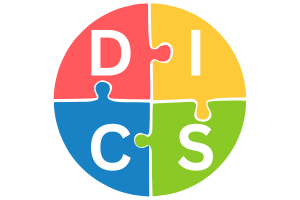
DISC Personality Profiling is a powerful tool used by businesses or organisations to enhance workplace communication, teamwork and leadership. Based on four key behavioural styles – Dominance (D), Influence (I), Steadiness (S), and Compliance (C) – DISC helps individuals and teams understand their strengths, motivations, and interactions with others.
The concept was first introduced in 1928 by psychologist William Moulton Marston, and later developed into practical assessment tools by researchers such as Walter V. Clarke and John Geier. Since then, the DISC framework has been refined and adapted for practical application across a wide variety of organisational and leadership contexts.
Today, DISC is one of the most widely adopted and trusted behavioural profiling systems globally.

What are the benefits of DISC?

Improved Communication:
Understanding different DISC styles allows professionals to adapt their communication strategies, reducing misunderstandings, conflict and fostering stronger collaboration.
Enhanced Teamwork:
By recognising the strengths of each team member, organisations can build more balanced, effective teams that complement one another’s working styles.
Better Leadership & Management:
Leaders who understand DISC can tailor their approach to motivate, coach, and engage their teams more effectively.
Increased Morale, Productivity & Staff Retention:
Leaders who understand DISC can tailor their approach to motivate, coach, and engage their teams more effectively, reducing miscommunication and strengthening long-term staff retention.
Greater Self-Awareness & Emotional Intelligence:
DISC helps individuals gain self-awareness, manage emotions & improve interactions. This enhanced emotional intelligence leads to better decision-making, stronger relationships, and greater workplace resilience.

How does DISC work?
As a qualified and accredited DISC Practitioner, I guide individuals and teams through the full DISC process – from conducting assessments and generating detailed individual and/or team reports to delivering personalised feedback. Beyond simply explaining results, I interpret DISC graphs, identify behavioural patterns, and provide actionable insights that help participants understand their strengths and areas for development.
This evidence-based approach uses the DISC framework to reveal behavioural styles, enabling participants to understand themselves and others, and fostering stronger communication, collaboration and performance. By combining assessment data with facilitated feedback and discussion, I help individuals and teams make sense of their DISC results in context. The framework is brought to life in a way that feels relevant and accessible, translating insight into practical, everyday understanding that individuals and teams can relate to and use in the workplace.
Building Teams That Work Better Together
Real success often hinges on behaviours, not just technical skills or previous experience – for example, how people communicate, influence, handle pressure and build relationships. DISC turns behavioural insight into practical action by bringing clarity to how people work, interact and perform under pressure. It gives leaders a deeper lens for development, decision‑making and team effectiveness, and when used well becomes a shared language that improves conversations, reduces friction and strengthens alignment across teams.
For purpose‑driven, impact‑led organisations, this clarity matters. When values, behaviours and roles are aligned, teams work more effectively, leaders make better decisions and performance is strengthened across the organisation. DISC provides a practical, accessible framework to support confident, behaviour‑based choices, helping organisations move away from guesswork and assumptions that often cause confusion or conflict, and towards sustainable performance, stronger culture and long‑term success.
Interested in exploring DISC profiling for your organisation?
Get in touch to find out more about how DISC profiling can support smarter hiring, stronger collaboration and more effective team performance – and discuss whether it’s right for your organisation.